 Skip to content
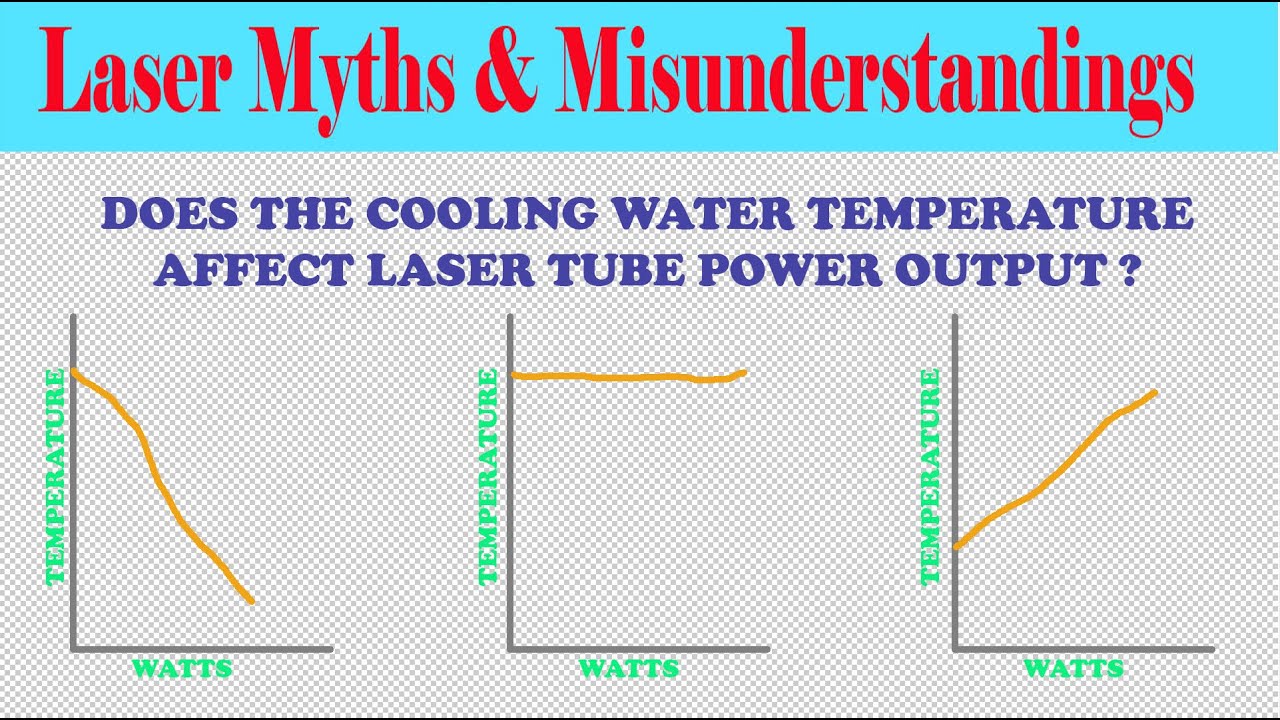
 Russ continues the cooling investigation by measuring both the electrical behaviour of the CW-5200 and the optical output of the CO₂ tube at different coolant temperatures. The aim is to test the often-repeated claim that laser power falls sharply as water temperature rises.
Previous: CW-5200 Chiller Myths | Series Menu | Next: Mini Chiller
What You’ll Learn
- How Russ measures tube output at different coolant temperatures.
- Why his tests do not support a simple “one watt lost per degree” rule.
- How chiller electrical load and cooling demand change with operating conditions.
Measure the Tube, Not the Myth
Russ uses a calibrated power meter and controlled run time to compare output across different coolant temperatures. His observed optical power remains much more stable than the simple temperature-loss rule would predict.
Cooling Capacity Depends on Conditions
The session also examines the chiller’s current draw and how much refrigeration is actually being called for at different setpoints. This helps separate the thermal load generated by the tube from the maximum headline capacity of the chiller.
Why This Session Matters
The tests support Russ’s broader argument that temperature stability and sensible heat removal matter more than pursuing the lowest possible water temperature.
This page is a concise overview of Russ Sadler’s original video and reflects the measurements and conclusions presented there.
