 Skip to content
 Wood engraving is often described as though power alone controls colour. Russ tests that assumption on acacia and other timbers and shows how grain, density, resin and material composition can dominate the result.
Previous: Cast vs Extruded Acrylic | Series Menu | Next: Photo Engraving – Part 1
What You’ll Learn
- Why engraving colour cannot be controlled by power alone.
- How natural variation in wood changes depth and darkness.
- Why some timbers are fundamentally difficult to engrave uniformly.
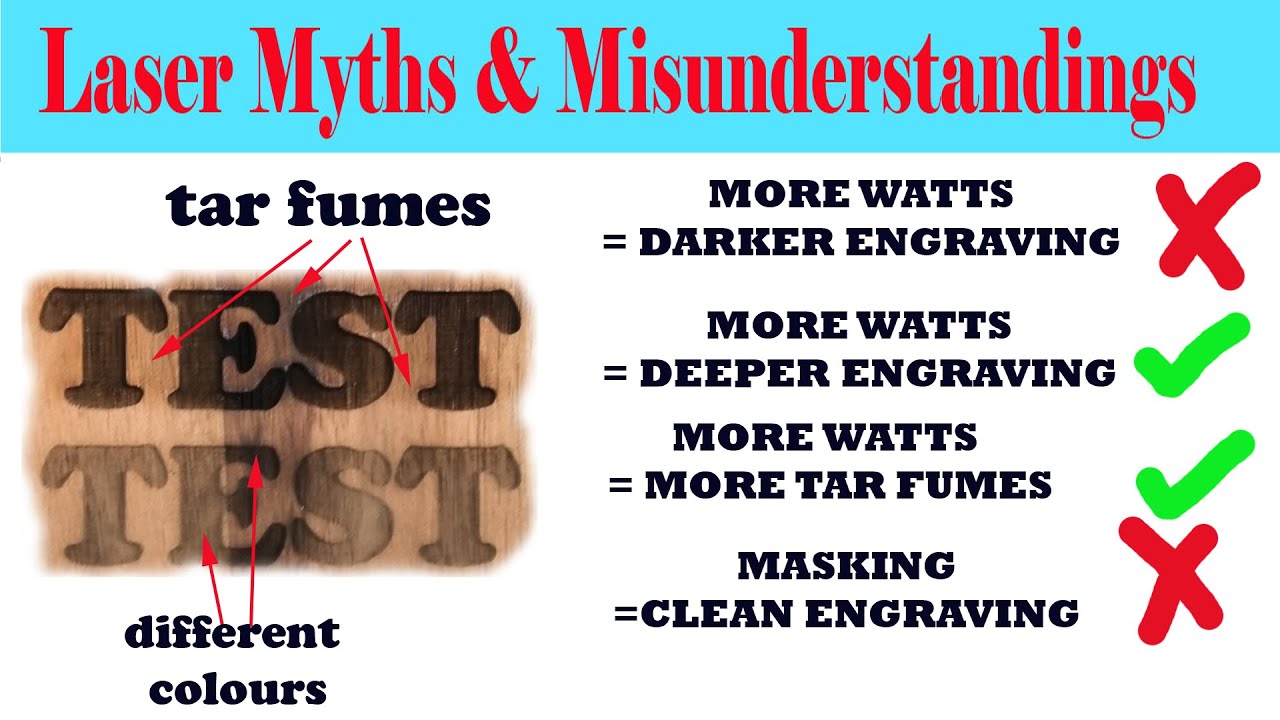
The Material Changes Under the Same Settings
On a laminated acacia sample, Russ shows visibly different engraving colours and depths where the laser crosses into another piece of wood. Even within one board, natural colour and density changes alter the response.
Darkness Can Be Depth, Carbon or Surface Residue
Russ separates the apparent colour from what is physically happening to the surface. A darker result may be a deeper burn or more carbonisation rather than a stable, controllable shade.
Why This Session Matters
The session is a warning against treating wood as a uniform engineering material. The same file and settings can produce visibly different results across one workpiece.
This page is a concise overview of Russ Sadler’s original video rather than a full transcript.
