 Skip to content
 Russ separates two ideas that are often confused: a flat image that creates the visual impression of depth, and a laser engraving that physically varies depth in the material. The session explores how our eyes and brain interpret 3D cues and how that differs from true relief engraving.
Previous: Photo Engraving – Part 2 | Series Menu | Next: CW-5200 Chiller Myths
What You’ll Learn
- The difference between visual 3D appearance and physical depth.
- Why a shaded bitmap can look three-dimensional while remaining a flat image.
- Why file type and material behaviour matter when attempting real relief engraving.
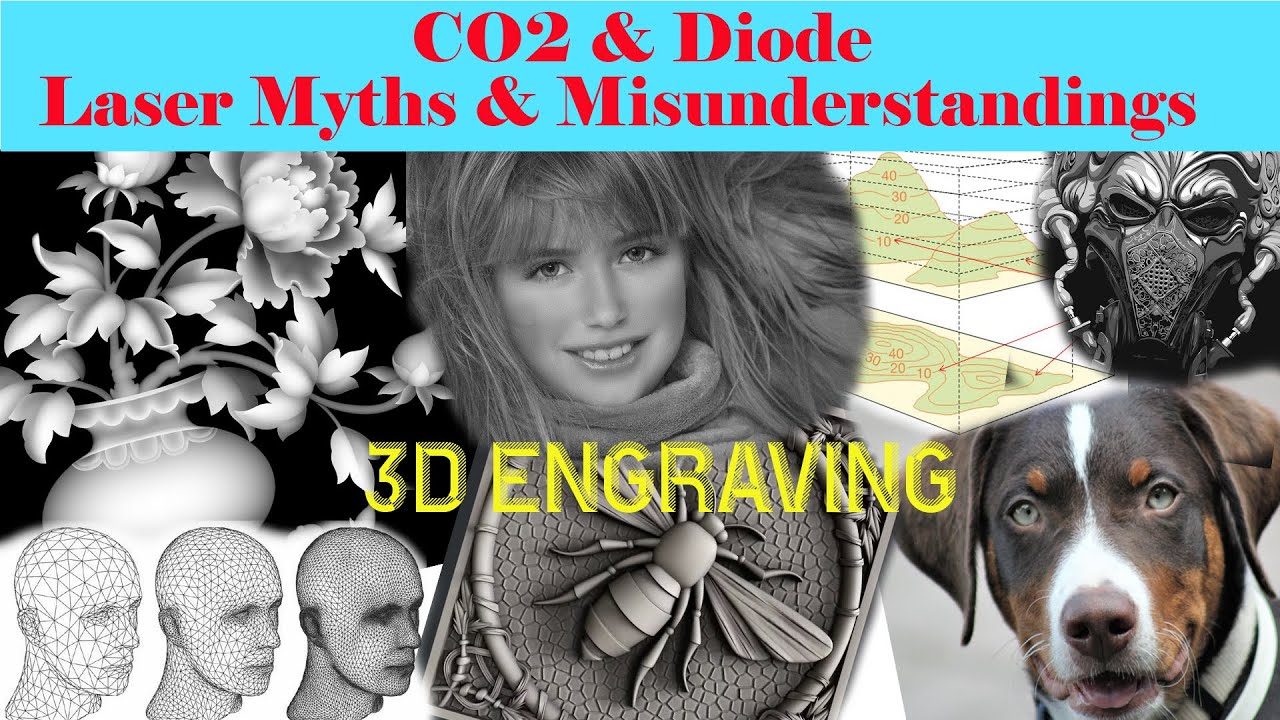
Your Brain Creates Much of the 3D Effect
Russ starts with visual perception. Shading, perspective and familiar shapes can make a flat picture appear three-dimensional even though the image contains no physical depth at all.
Relief Engraving Is a Different Process
True relief engraving requires controlled material removal so foreground and background sit at different depths. Russ distinguishes that from simply converting a 3D model into a shaded bitmap that gives the eye a depth illusion.
Why This Session Matters
The session clarifies what a laser can physically engrave versus what image processing can make look three-dimensional.
This page is a concise overview of Russ Sadler’s original video rather than a full transcript.
